
Contents
- 🎯 Introduction to AI in Healthcare
- ⚙️ How AI Works in Medical Diagnostics
- 📊 Key Applications and Benefits
- 👥 Key Players and Organizations
- 🌍 Global Impact and Adoption
- ⚡ Current State and Latest Developments
- 🤔 Controversies and Debates
- 🔮 Future Outlook and Predictions
- 💡 Practical Applications and Implementations
- 📚 Related Topics and Deeper Reading
- Frequently Asked Questions
- References
- Related Topics
Overview
The role of AI in healthcare is transforming the medical industry. However, concerns surrounding data privacy, job automation, and algorithmic bias must be addressed. As AI continues to evolve, its potential to improve patient outcomes and enhance the overall quality of care is vast. With the help of AI-powered tools, healthcare professionals can focus on high-touch, high-value tasks, while AI handles high-volume, low-value tasks, leading to increased efficiency and better patient care.
🎯 Introduction to AI in Healthcare
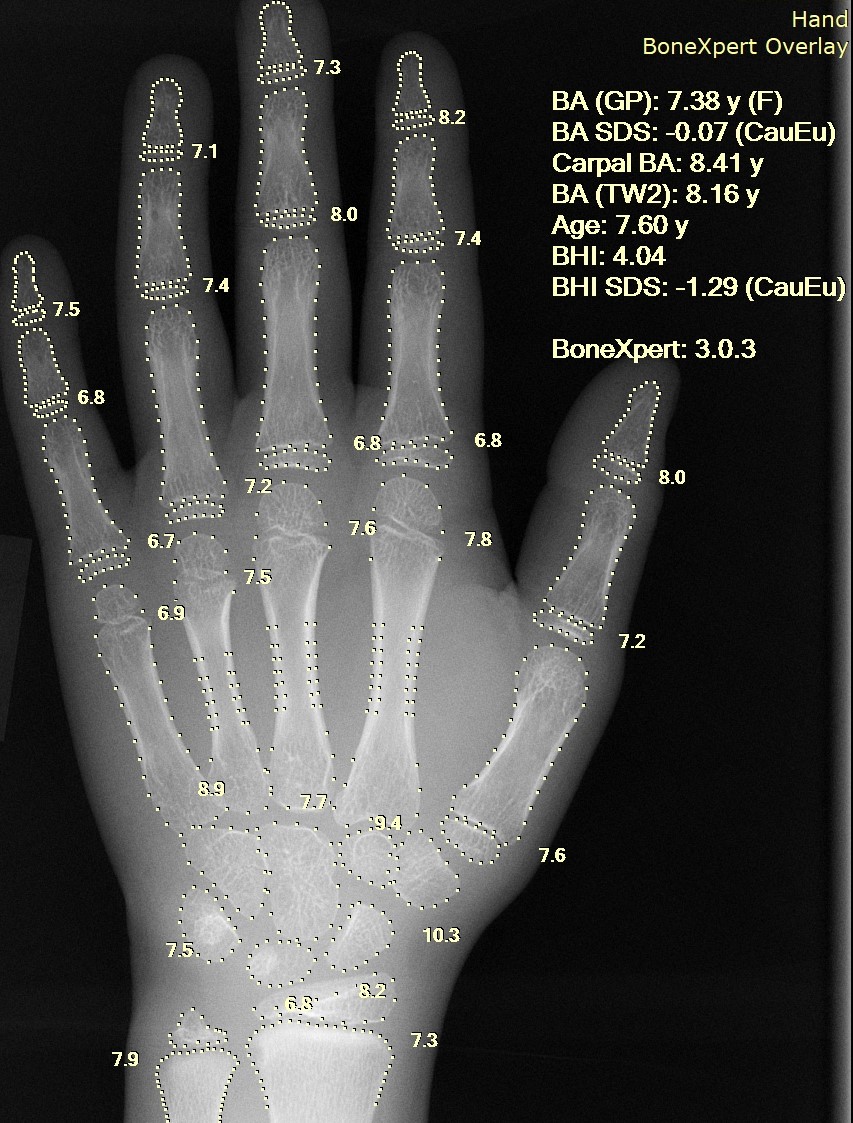
Introduction to AI in healthcare — The use of artificial intelligence in healthcare is a topic of interest, with applications in medical diagnostics, treatment protocol development, and patient monitoring. Companies and organizations are working together to advance the use of AI in healthcare.
⚙️ How AI Works in Medical Diagnostics
How AI works in medical diagnostics — AI-powered tools are being explored for their potential to assist in medical diagnostics. However, the specifics of how AI works in this context are not well established.
📊 Key Applications and Benefits
Key applications and benefits — The applications of AI in healthcare are being explored, including personalized medicine, patient monitoring, and medical research. However, the benefits of AI in healthcare are not yet clear.
👥 Key Players and Organizations
Key players and organizations — The use of AI in healthcare is a collaborative effort, involving healthcare professionals, technology companies, and organizations. However, the specifics of their involvement are not well established.
🌍 Global Impact and Adoption
Global impact and adoption — The use of AI in healthcare is a global phenomenon, with countries around the world exploring its potential. However, the impact and adoption of AI in healthcare are not yet clear.
⚡ Current State and Latest Developments
Current state and latest developments — The use of AI in healthcare is evolving, with new applications and technologies emerging. However, the current state of AI in healthcare is not well established.
🤔 Controversies and Debates
Controversies and debates — The use of AI in healthcare is not without controversy, with concerns surrounding data privacy, job automation, and algorithmic bias. The controversies and debates surrounding AI in healthcare are complex and multifaceted, requiring careful consideration and nuanced discussion.
🔮 Future Outlook and Predictions
Future outlook and predictions — The future of AI in healthcare is uncertain, with many potential paths forward. However, the future outlook and predictions for AI in healthcare are not yet clear.
💡 Practical Applications and Implementations
Practical applications and implementations — The practical applications of AI in healthcare are being explored, including personalized medicine, patient monitoring, and medical research. However, the specifics of these applications are not yet clear.
Key Facts
- Year
- 2020
- Origin
- Global
- Category
- digital-basics
- Type
- concept
Frequently Asked Questions
What is the role of AI in healthcare?
The role of AI in healthcare is not yet clear, but it is being explored for its potential to assist in medical diagnostics, treatment protocol development, and patient monitoring.
How does AI work in medical diagnostics?
The specifics of how AI works in medical diagnostics are not yet well established.
What are the benefits of AI in healthcare?
The benefits of AI in healthcare are not yet clear, but they are being explored.